You don't need a distant wilderness to discover incredible wildlife. Birdwatching can easily be started from an ordinary garden, a local park, a small balcony, or even just looking out a clear window. This guide is designed to help you understand where to start, what details to look for, and how to record your everyday nature observations.
Start Birdwatching →When an unfamiliar bird lands nearby, it is tempting to focus entirely on its most vibrant color. However, successful observation requires noting several characteristics at once. Beginners should practice looking at multiple details before the bird flies away.
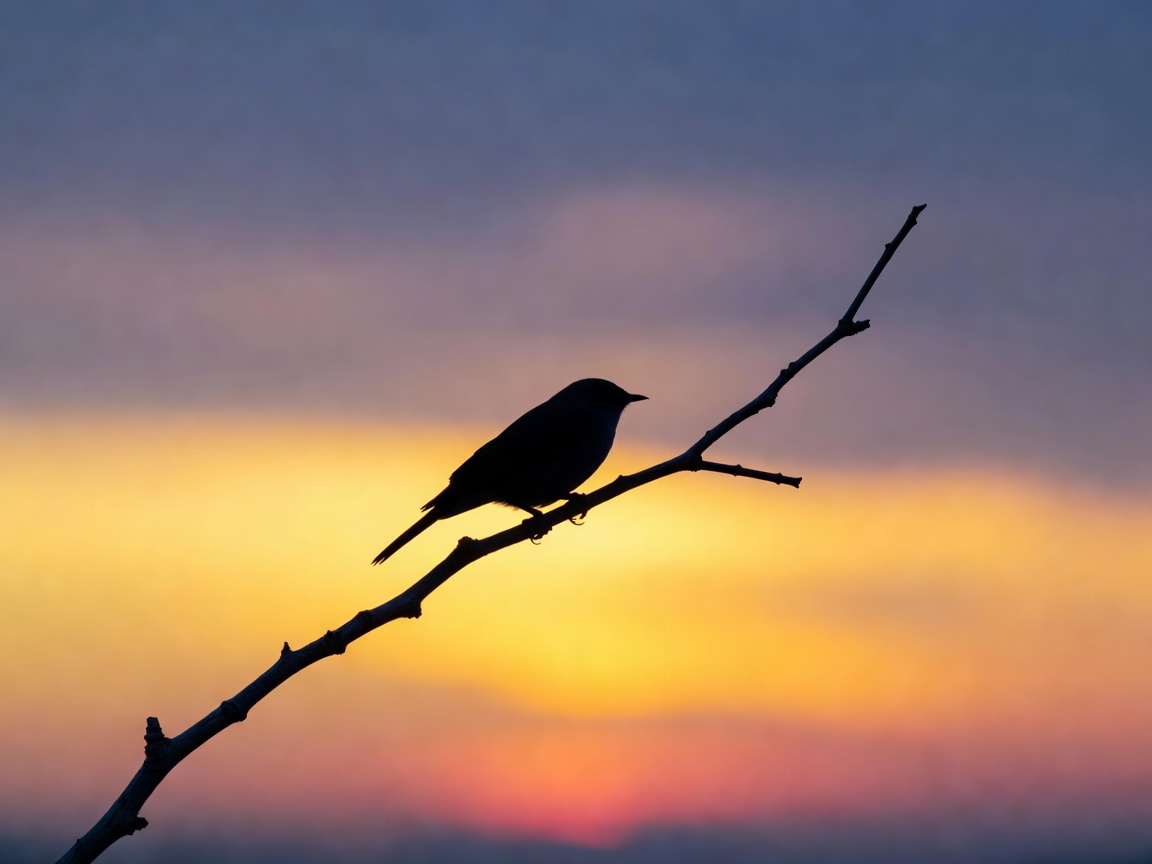
The overall silhouette of a bird is often the first thing you notice, and it remains one of the most reliable ways to narrow down a potential identification. By comparing a new bird to common species you already know, you can quickly categorize it. Notice if the body appears plump or slender, and observe the proportion of the head to the body.
Read Identification Note →
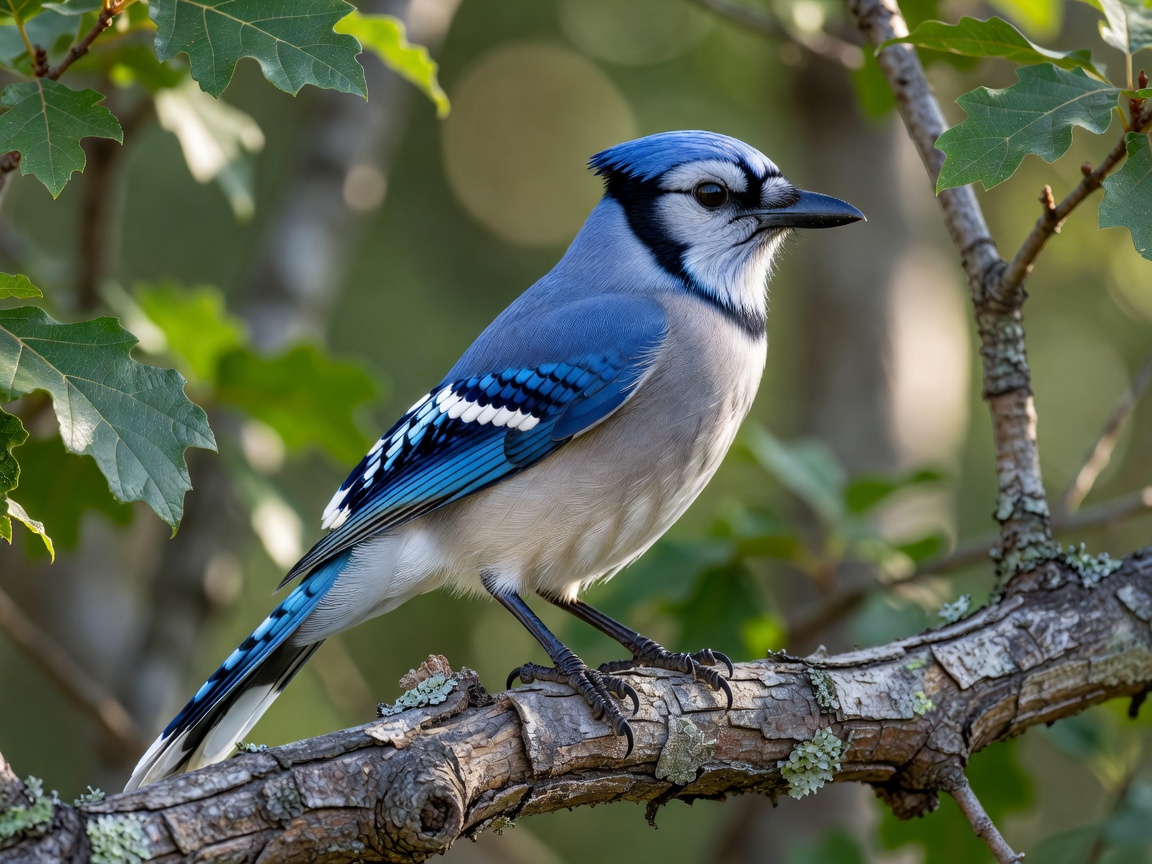
Visible plumage patterns can be incredibly useful, but they can also be deceptive depending on the lighting conditions, shadows, and your viewing distance. Look for specific field marks rather than overall color: a bright ring around the eye, distinct bars across the wings, or a contrasting patch of color on the rump. These details rarely change with lighting.
Read Identification Note →
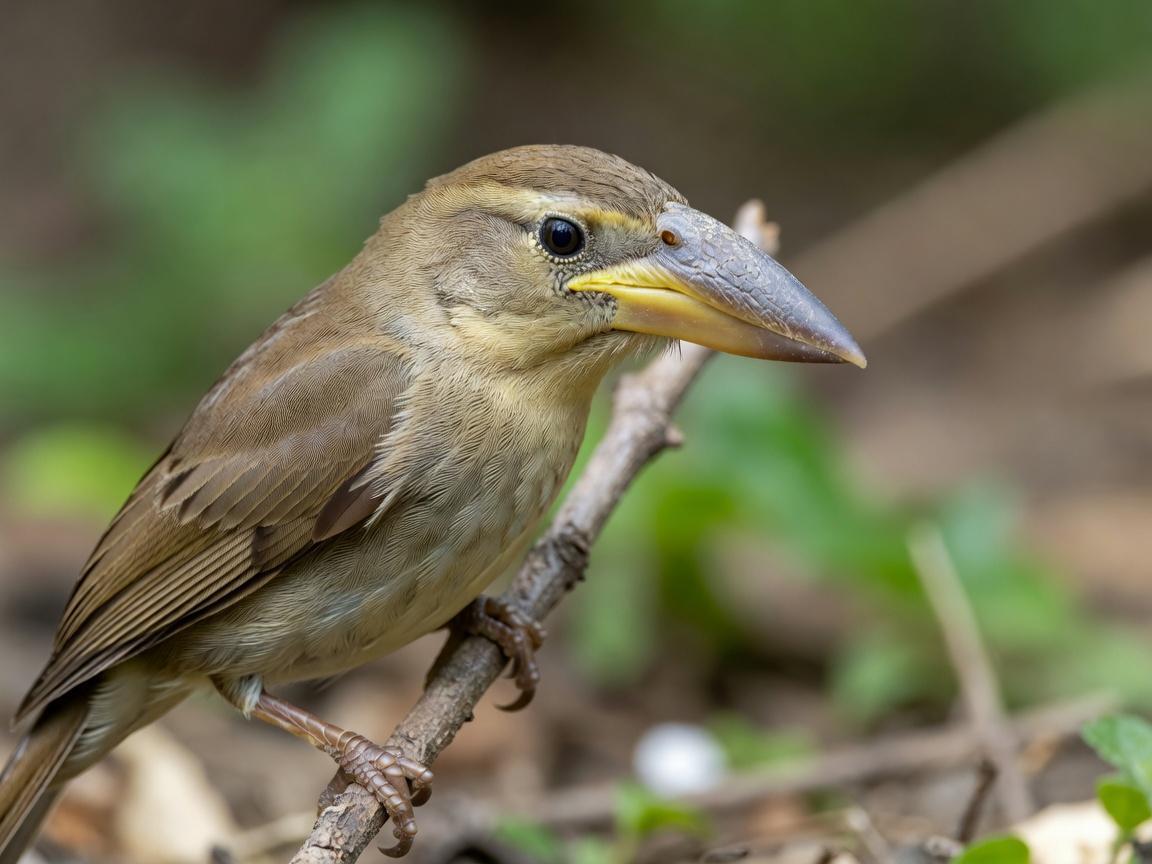
A bird's beak is an excellent indicator of its diet and lifestyle, providing vital clues for identification. A thick, conical bill suggests a seed-eater, while a slender, pointed bill usually belongs to an insectivore. Some beaks are curved for extracting nectar, while others are heavy and hooked. Noting the beak shape immediately narrows down the family of birds.
Read Identification Note →
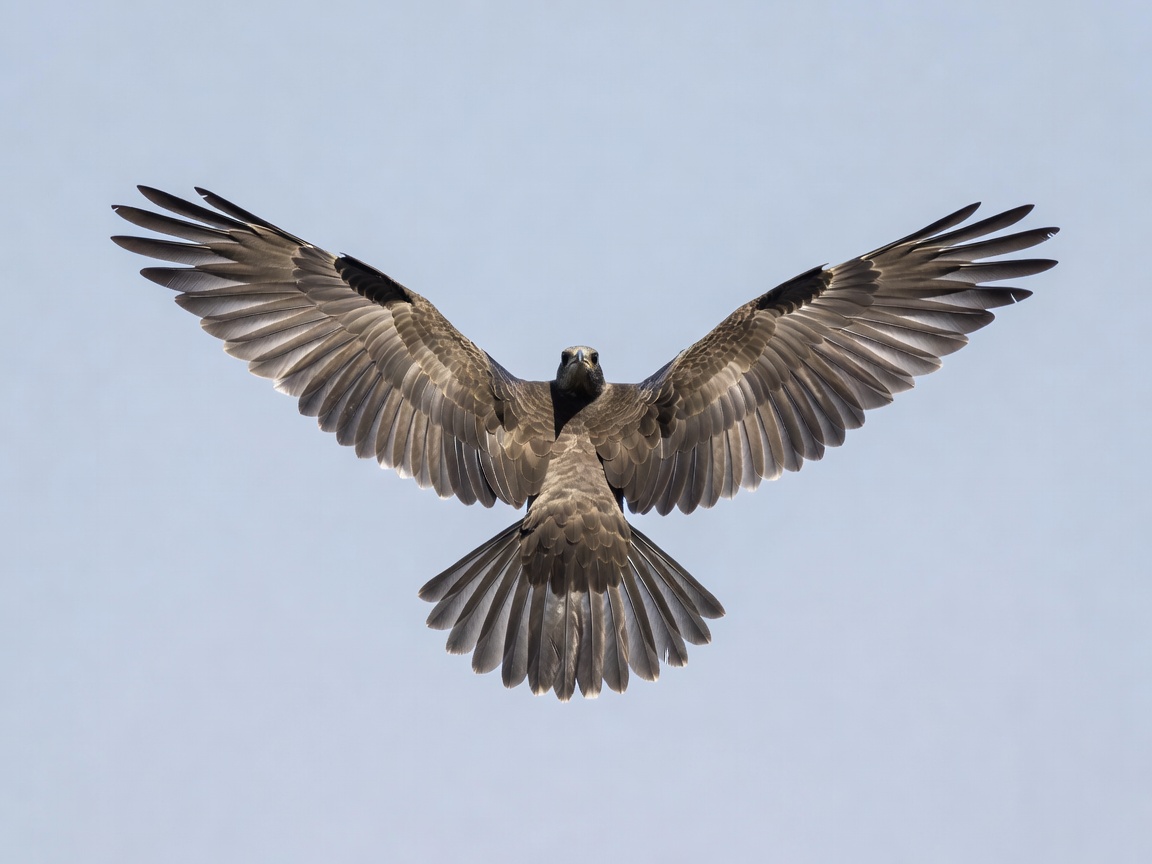
The proportions and visible markings of the tail and wings can help confirm an identity, especially when a bird is in flight. Notice if the tail is deeply forked, perfectly square, or rounded. Look for flashes of white on the outer tail feathers when the bird takes off, or distinct pointed wing shapes versus broad, rounded ones.
Read Identification Note →
Behavior and movement styles are distinct characteristics that can be observed from far away, even when colors are obscured. Pay attention to how the bird travels on the ground: does it take consecutive two-footed hops, or does it walk alternating its feet? In the air, does it fly in a straight, steady line, or does it rise and fall in a dipping pattern?
Read Identification Note →
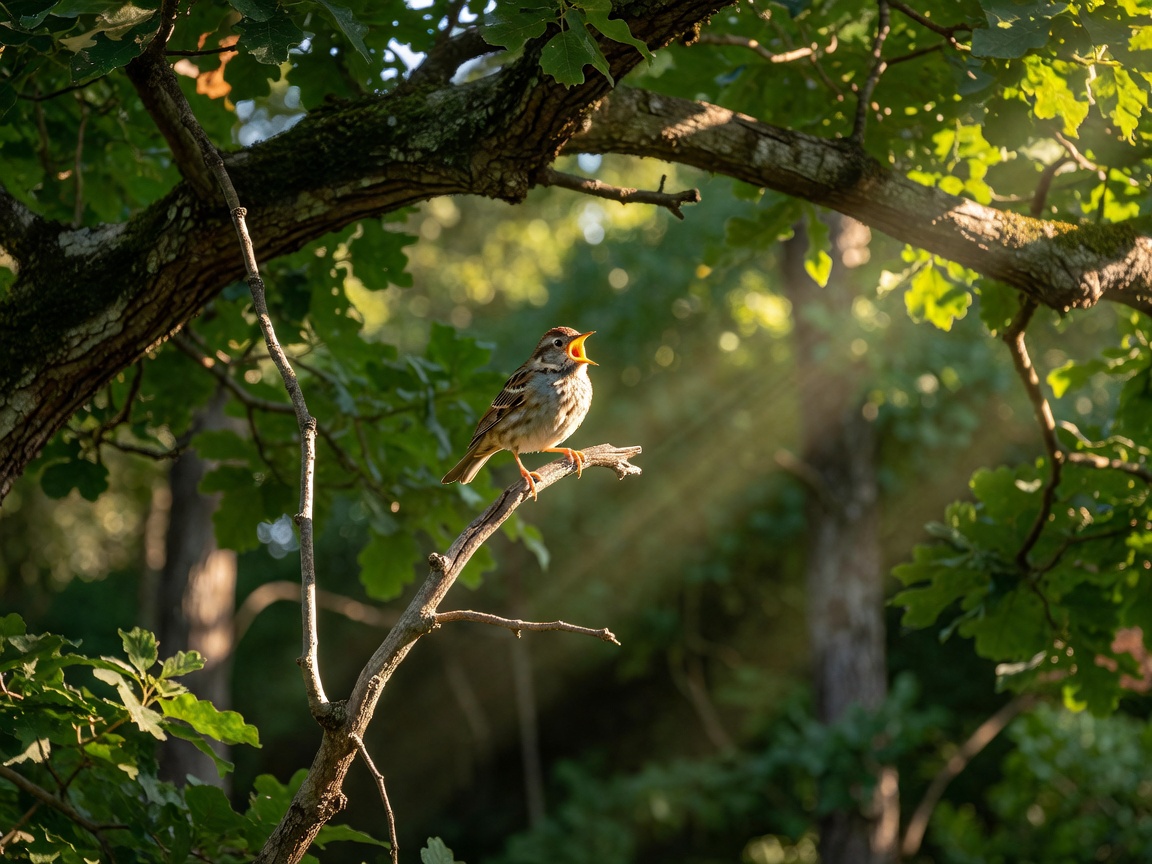
Listening carefully can complement your visual observation significantly. Many times, you will hear a bird long before you see it. While learning complex songs takes time, beginners can easily learn to distinguish between a melodic, sustained song meant to attract a mate, and a short, sharp call used to warn of predators or keep a flock together.
Read Identification Note →Instead of constantly traveling to new environments, there is immense value in repeatedly observing the same outdoor area. Whether it is your own backyard or a corner of a local park, staying in one spot helps beginners notice daily and seasonal patterns. You begin to understand where birds prefer to hide, what time of day they are most active, and how they interact with their familiar environment.
The greatest asset a beginner can develop is patience. The simple act of remaining completely still and quietly observing will yield far more results than walking quickly through an area. Birds are highly sensitive to motion and noise. By finding a comfortable place to sit and simply waiting, you allow the local wildlife to return to their normal routines, offering you a natural view of their behavior.
Read Beginner Guides →Recording your observations is what separates casual looking from active birdwatching. Keeping simple notes about what you observe—even if you cannot identify the species—trains your brain to notice finer details. Record the date, the weather, the approximate size of the bird, its prominent colors, and what it was doing. Over time, these field notes become a valuable personal record of your local environment.
A common mistake for beginners is attempting to memorize every species in a field guide immediately. This can quickly become overwhelming. Instead, focus on learning to confidently identify just three to five common birds in your immediate area. Once you know them perfectly, any new visitor will immediately stand out as different, prompting you to investigate further.
If you choose to use binoculars, practice basic observation etiquette. Move slowly when raising them to your eyes, keeping your focus fixed on the bird first, then bringing the equipment up into your line of sight. Always prioritize the bird's comfort; if an animal seems agitated by your presence, it is best to step back and observe from a greater distance.
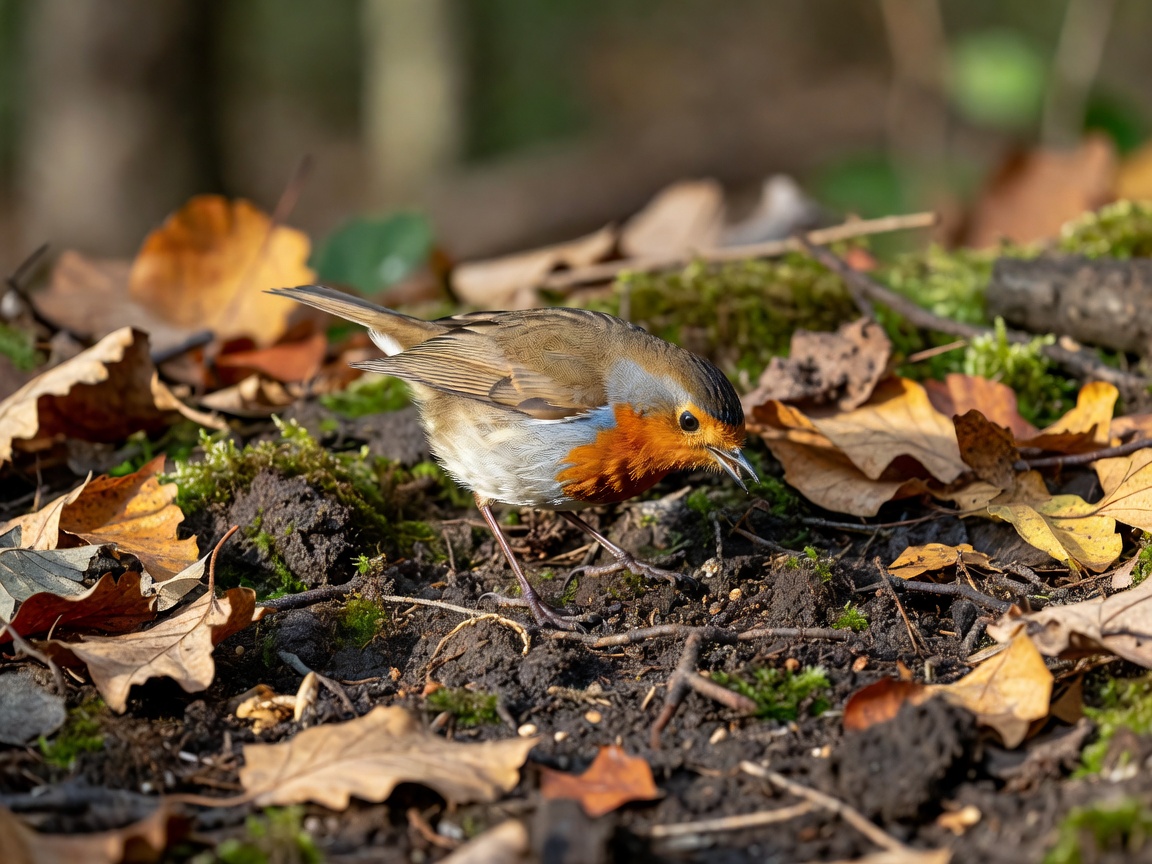
Observe where a bird finds its food. Does it scratch at the dirt, glean insects from leaves, or catch them mid-air? This behavior is a massive clue to its identity and role in the local ecosystem.
Read More →Notice how and where a bird sits. Some species prefer the very tops of bare trees for a clear view, while others stay hidden deep within dense bushes, rarely exposing themselves to open spaces.
Read More →Feather maintenance is crucial for survival. Watching a bird meticulously clean and oil its feathers offers a quiet, extended opportunity to observe intricate plumage details up close.
Read More →In certain seasons, you may notice birds aggressively chasing others away from specific areas, singing loudly from prominent perches, or puffing up their feathers to appear larger to rivals.
Read More →Resist the urge to immediately check a guidebook. Keep your eyes on the bird as long as possible to gather maximum visual information before it flies away.
Close your eyes for a moment in your observation area. Isolating sounds can help you locate hidden wildlife in dense foliage.
Actions are often as identifiable as colors. A bird bobbing its tail constantly is a key field mark that no static photograph can fully capture.
Memory is fragile. Sketching a quick shape or writing down three bullet points immediately after an observation is vastly superior to trying to recall details later.
Always gauge size by comparing the unknown bird to a familiar reference point nearby, like a common sparrow, a recognizable leaf, or a fence post.
Spring is characterized by a massive increase in outdoor activity and changing surroundings. As foliage begins to return, observation requires a careful eye. This is a time of territorial singing, nest building, and constant movement. Keeping a close watch on your usual observation spots will reveal sudden bursts of new behavior and potentially unfamiliar seasonal visitors passing through.
Explore Spring Notes →During the warmer months, successful observation often means shifting your schedule. Focus on early morning outings before the heat of the day settles in. Notice how birds change their feeding habits and seek shade. Summer offers great opportunities to watch the frantic movement of adult birds gathering resources, requiring patience as foliage is at its thickest.
Explore Summer Notes →Autumn brings shifting habitats and changing daily routines. As leaves fall, visibility increases, revealing hidden nests from the summer. It is a period of transition where keeping detailed notes becomes vital, as you will notice a distinct change in the local population. Focus on observing how wildlife interacts with late-season natural food sources.
Explore Autumn Notes →Winter birdwatching requires weather awareness and focuses on shorter, more concentrated observation periods. Without foliage, visibility is excellent. The key is watching sheltered areas—thick evergreens, dense brush piles, and areas protected from the wind. Observing how local wildlife adapts to cold and searches for scarce resources provides a fascinating dynamic for your field journal.
Explore Winter Notes →Making outdoor spaces suitable for observing birds relies on a few fundamental principles of nature. Creating quiet observation areas by reducing human disturbance makes observation significantly easier. Allowing natural cover and vegetation to remain provides essential shelter. Furthermore, providing a clean, shallow source of water can make any outdoor area highly interesting for responsible observation without heavily altering the landscape.
Read Guide →Keeping simple written records can make birdwatching infinitely more rewarding. Your entries don't need to be scientific. Simply jot down: